Plain answers for people deciding whether to start an online store, and which platform to use: Shopify, Etsy, Amazon, WooCommerce, Wix and Squarespace.
Hi, I'm Lance. This site is for anyone thinking about opening an online store who wants a straight answer on what it costs, which platform to pick and what to do first. Every price on a page shows the date I checked it, and every guide lists its sources at the bottom.
You can read about the site and how the guides are made, or email me at contact@soyouwantastore.com.
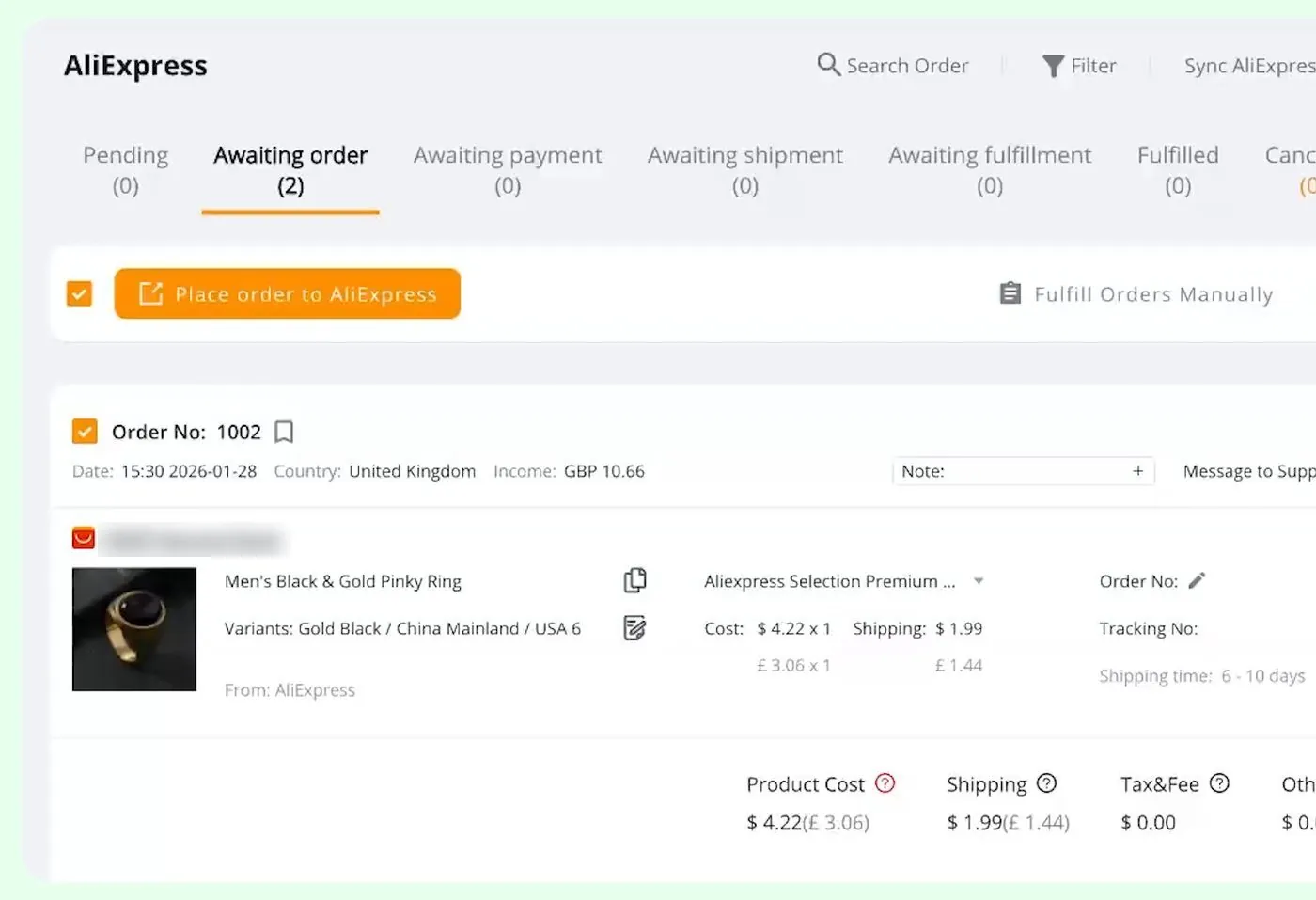
The exact clicks with the DSers app, a first-month cost table where every line is sourced or marked as a guess, and the money timing nobody warns you about.
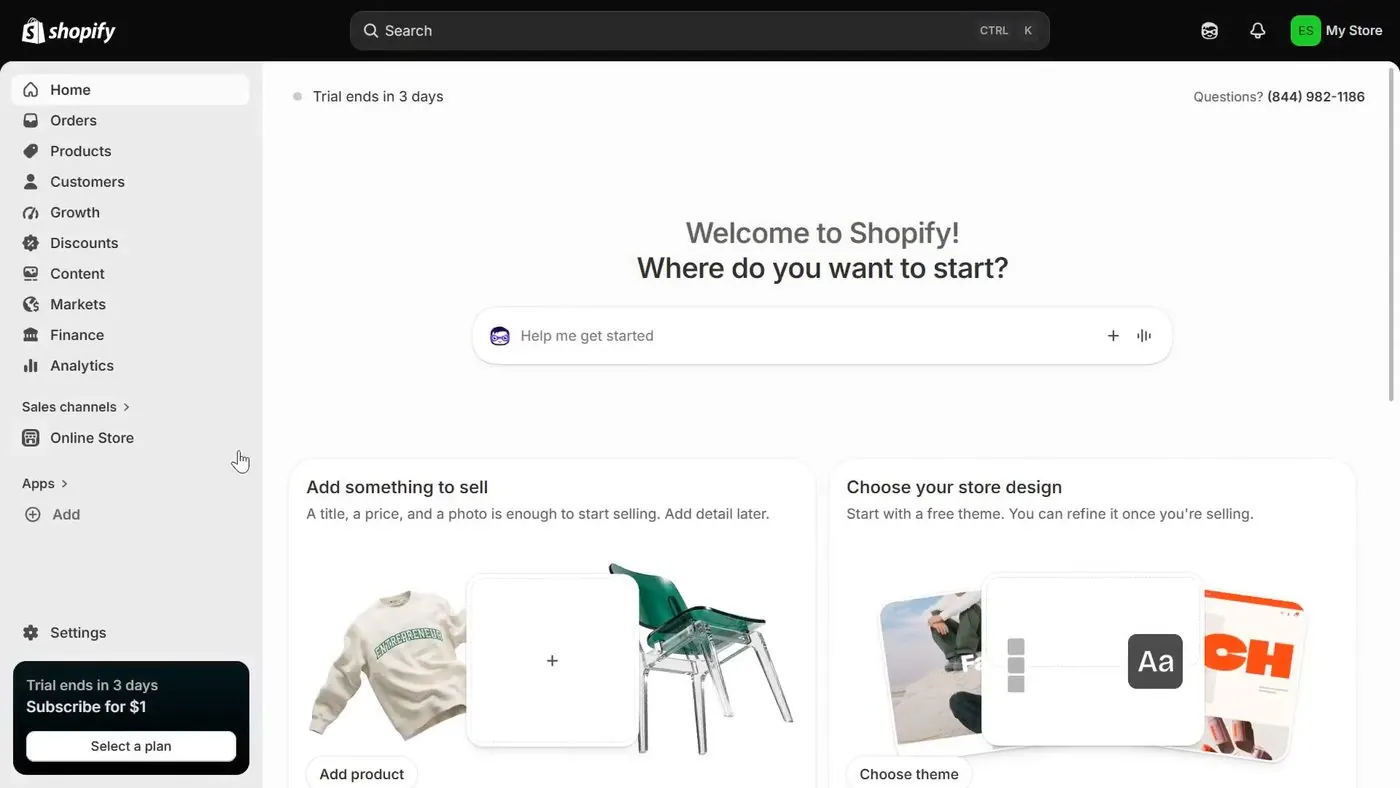
A walk through the real signup screens, the exact fine print, the price after the $1 months, and the cancel steps.
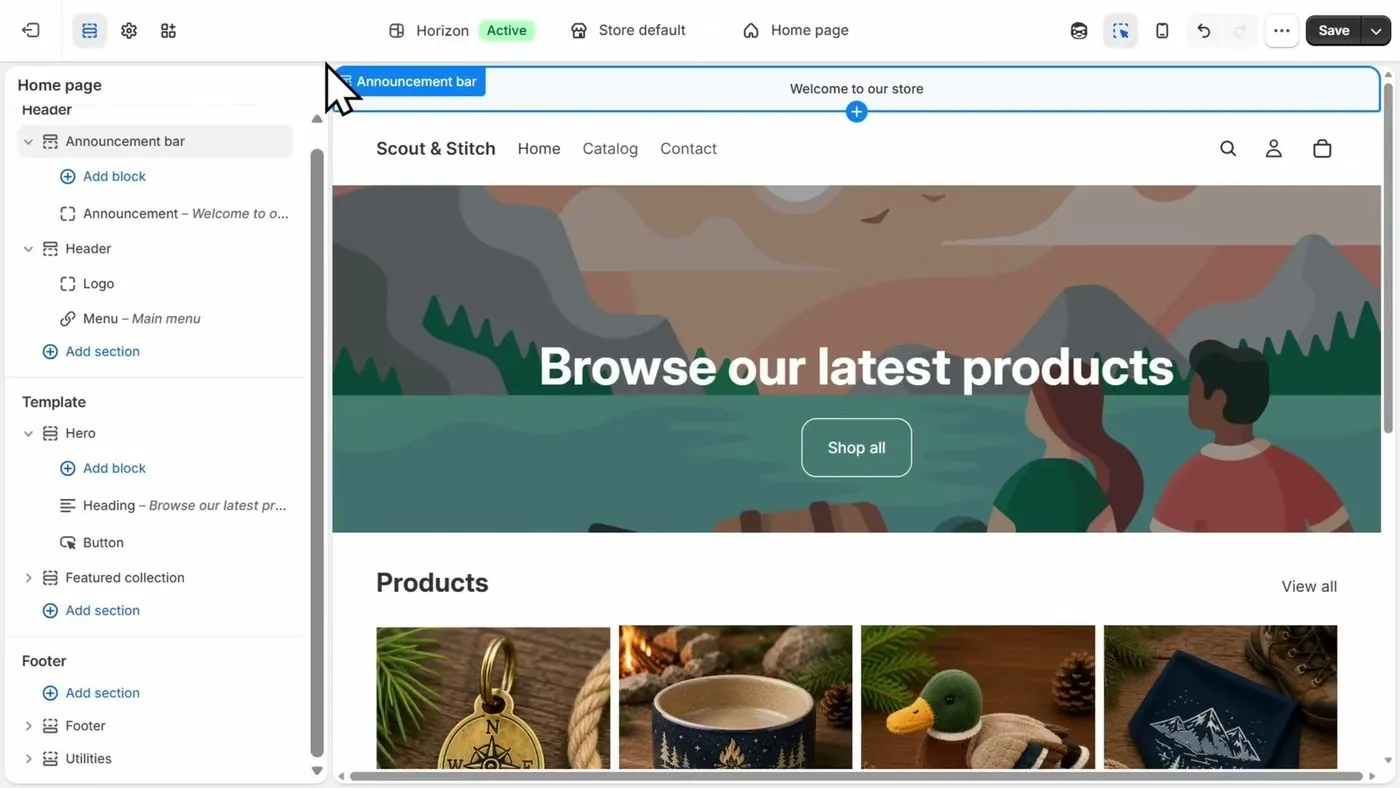
Every screen from signup to launch, in the order you'll see it, with what each one asks for and what you can skip.
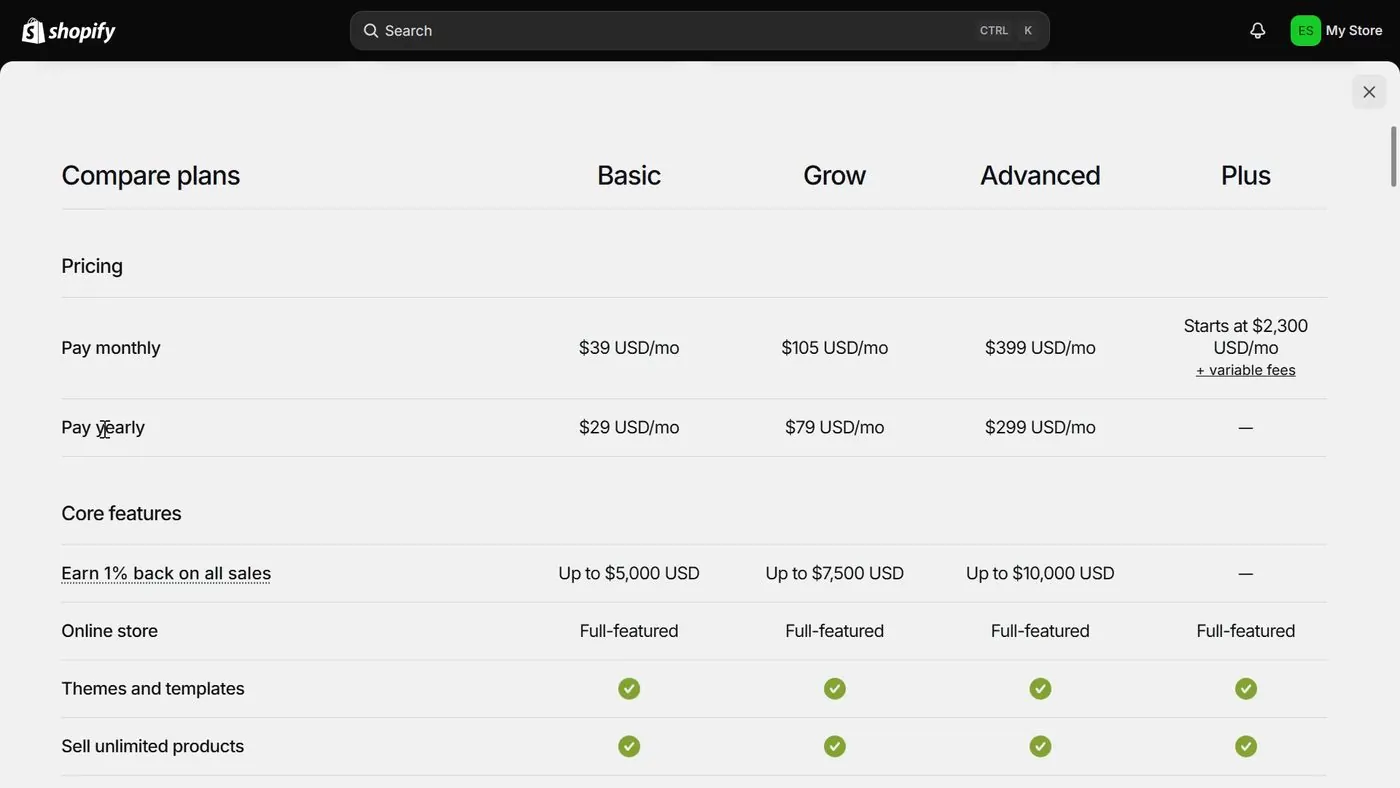
A straight answer for someone who has never sold online, with the fee math shown so you can redo it.
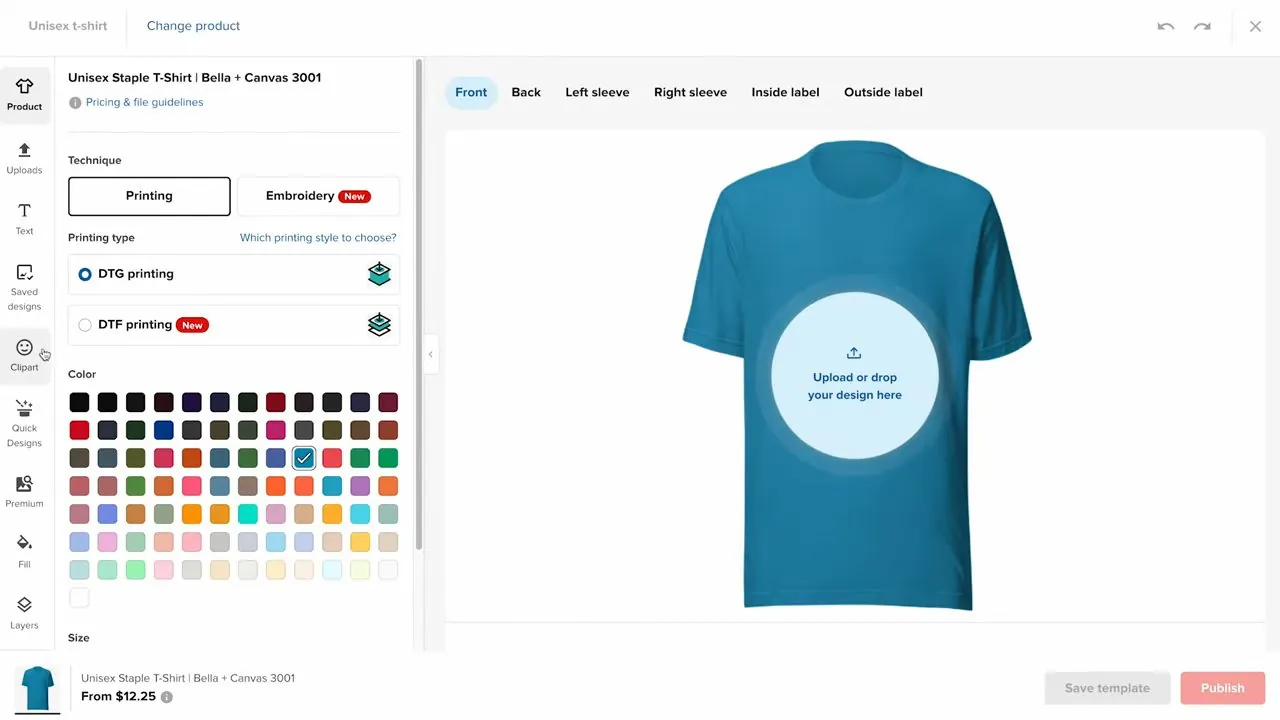
The setup steps for both apps with real screens, how orders and payment move, and the profit on one $24.99 shirt worked out line by line.
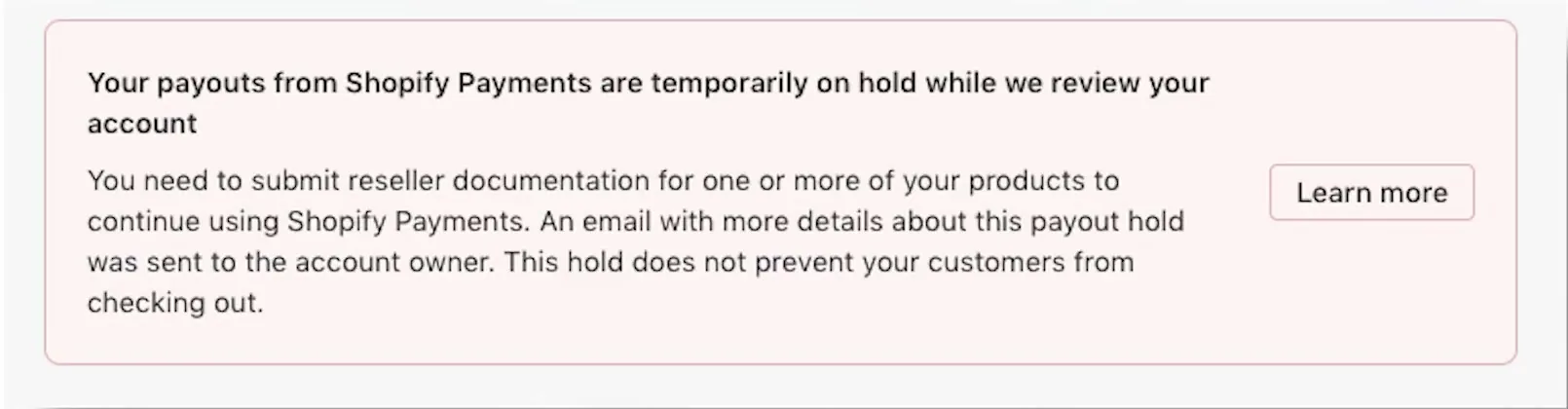
How Shopify Payments pays you, what a hold or a reserve is, what Shopify says causes them, and what to do on day one.
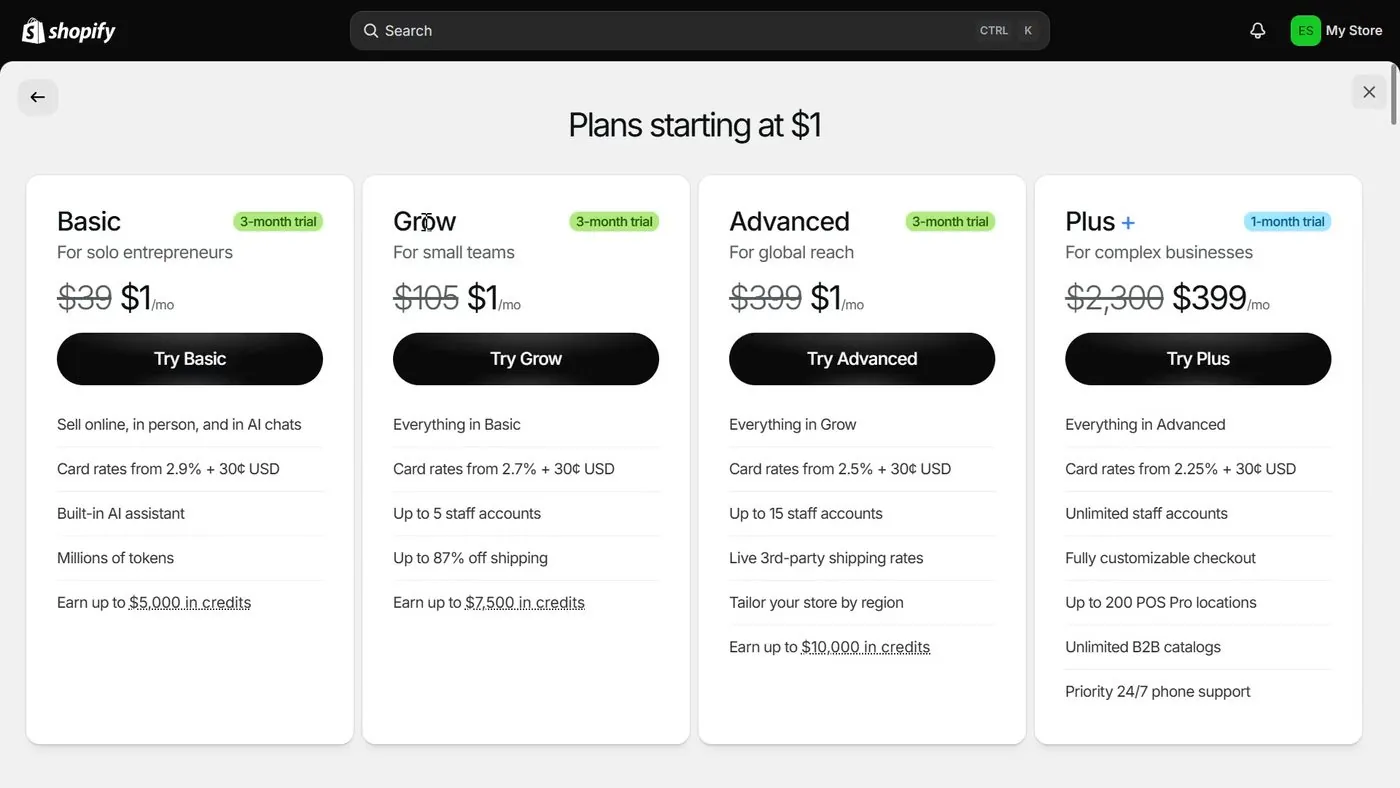
Start on Basic. Here is what Grow and Advanced add, what each costs, and the sales level where paying more actually saves money.
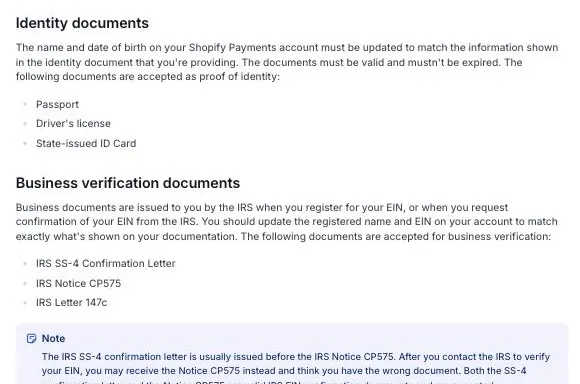
What Shopify's rules say about closing a store, the appeal steps Shopify prints, the documents Shopify asks for in the US, and what sellers have posted.
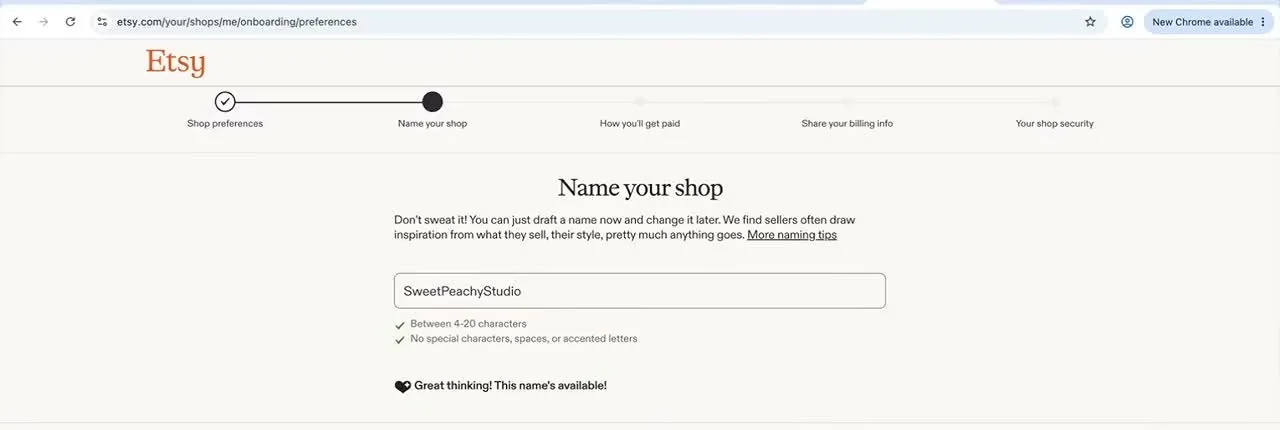
Every screen from sign-up to your first listing, in the order you'll see it, with what each one asks for and what it costs.
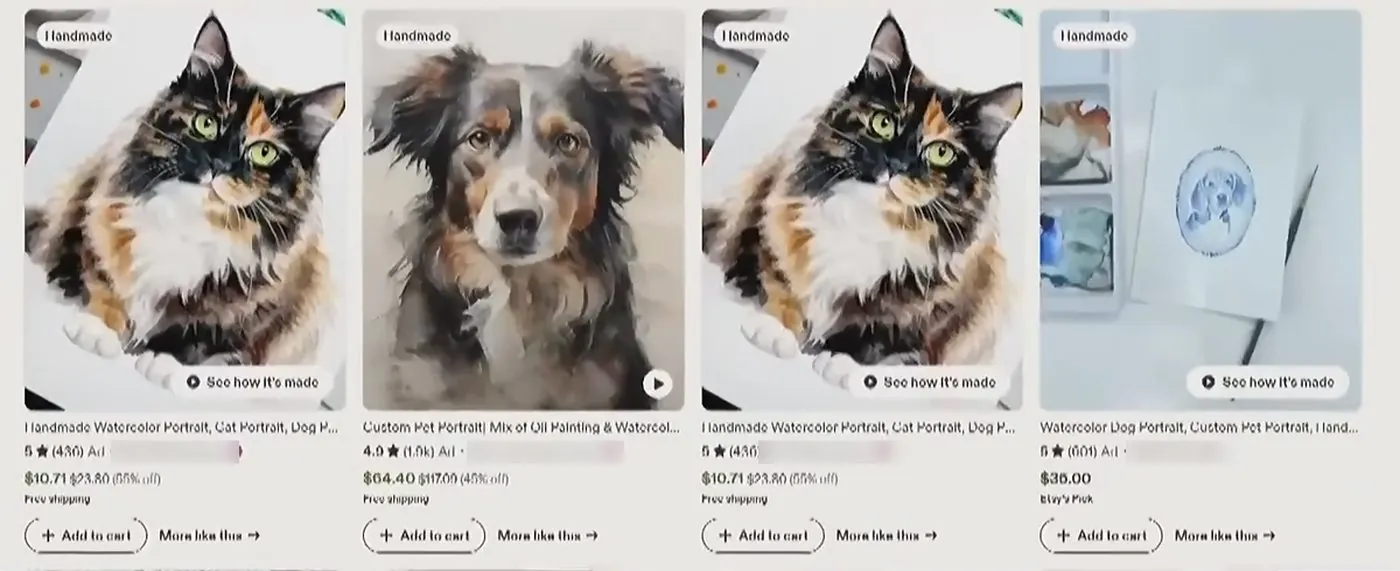
A straight answer for someone who has never sold online, with the fee math shown so you can redo it.
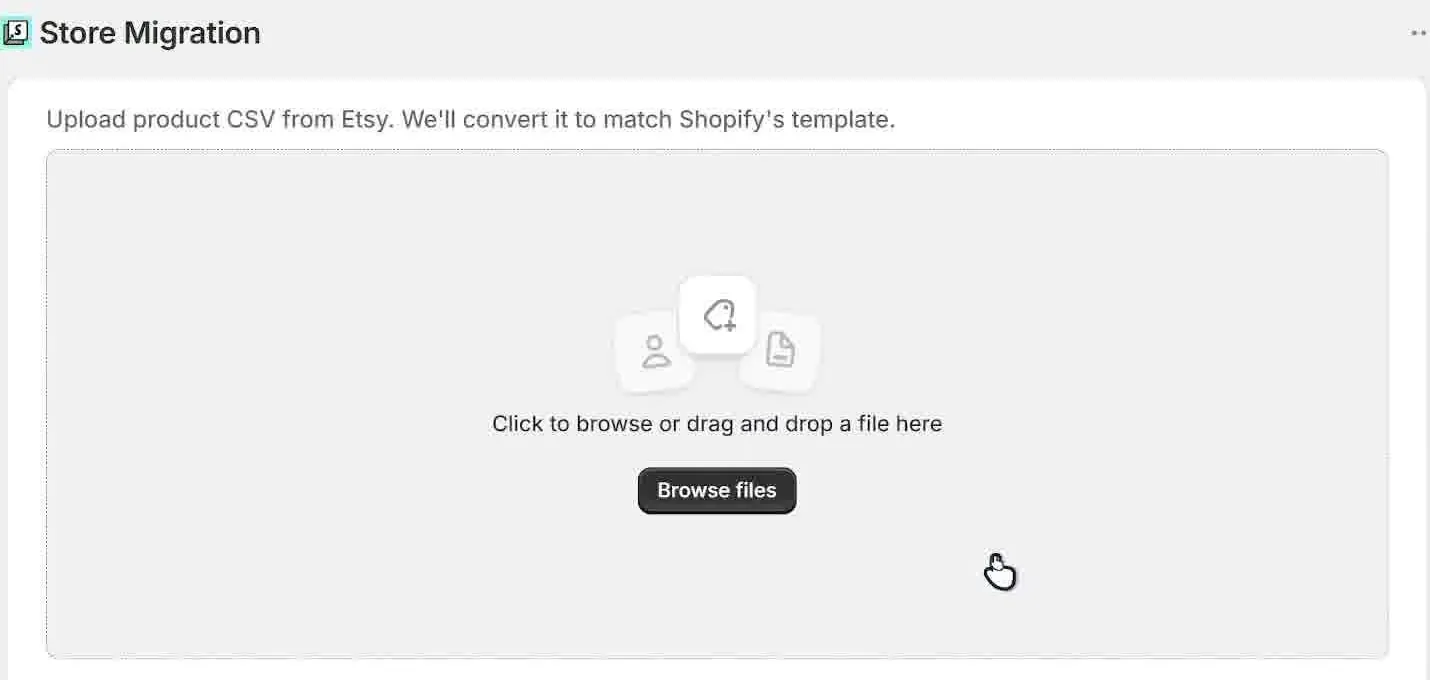
The break-even math step by step, how to move your listings, and the Etsy rules about sending buyers to your own site.
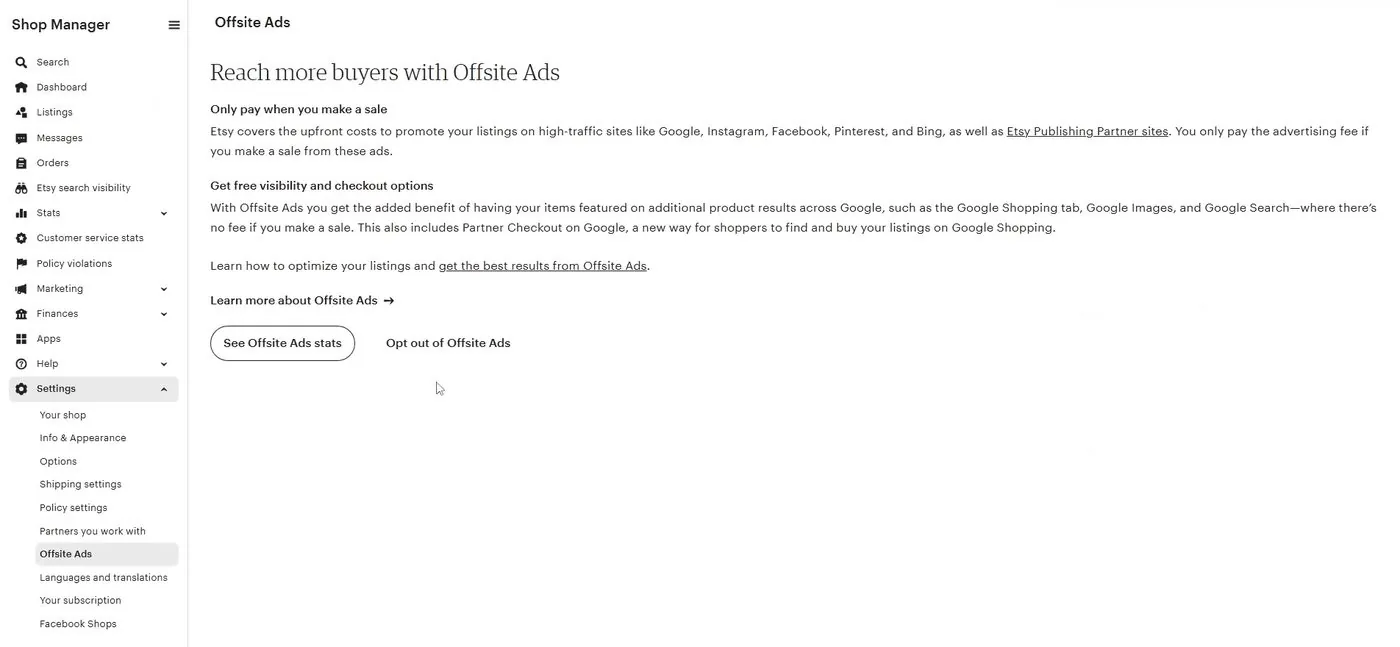
The fee Etsy charges when its own ad brings a buyer, the $10,000 line where you can no longer switch it off, and what Etsy's written rules say about sending buyers to your own site or emailing them.
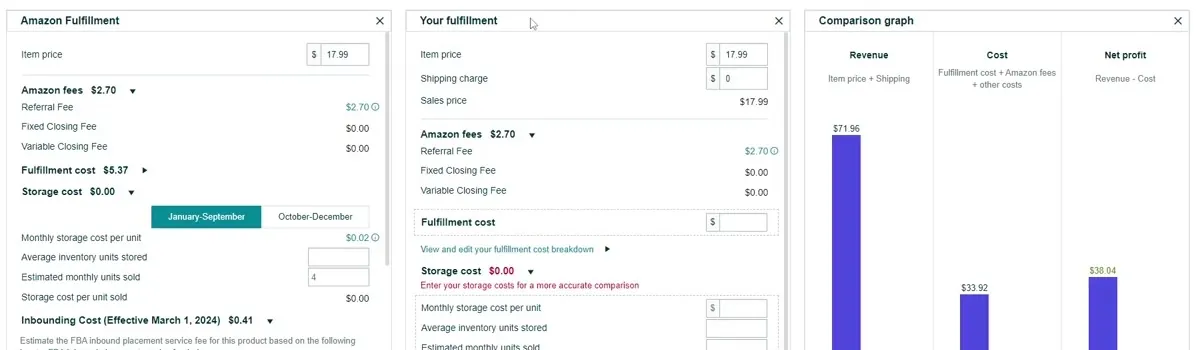
What each one means, every FBA fee with peak and regular rates, one worked example you can redo, and an honest answer on whether FBA is worth it.
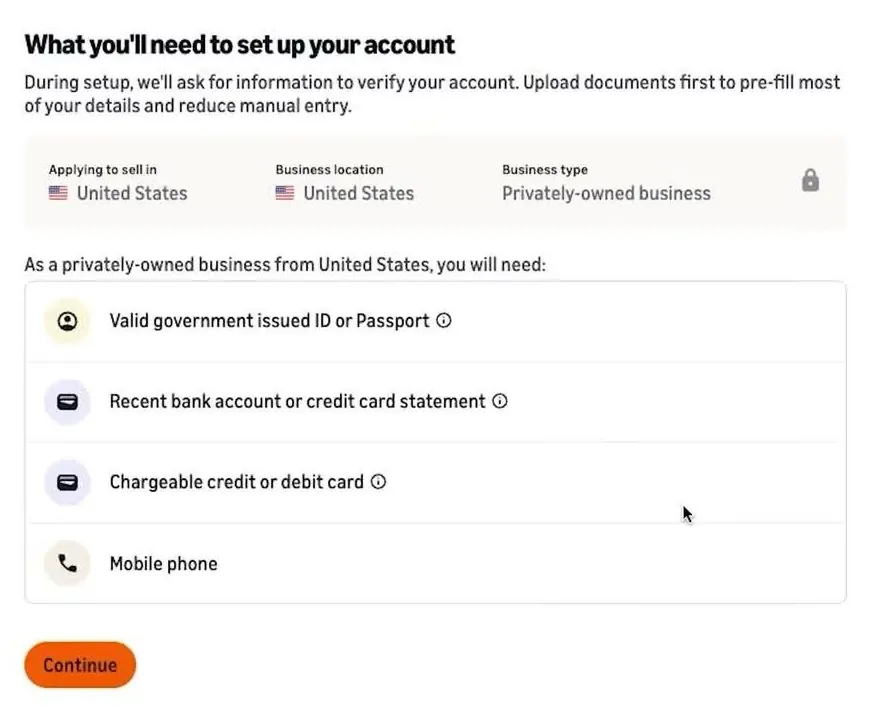
Every signup screen in the order you'll see it, what Amazon asks for on each one, what it costs and how long the identity check can take.
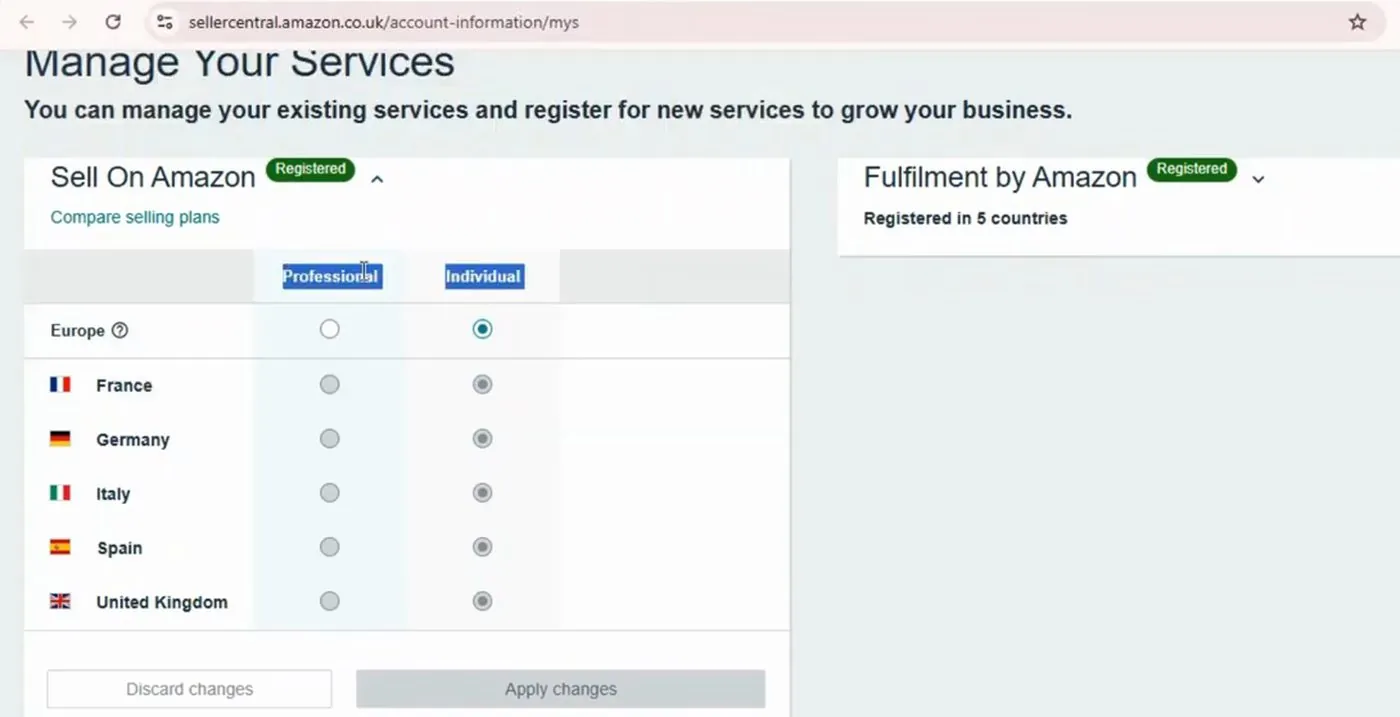
The prices, the 40 items a month break-even point, what only Professional can do, where Amazon's own pages disagree, and how to switch.
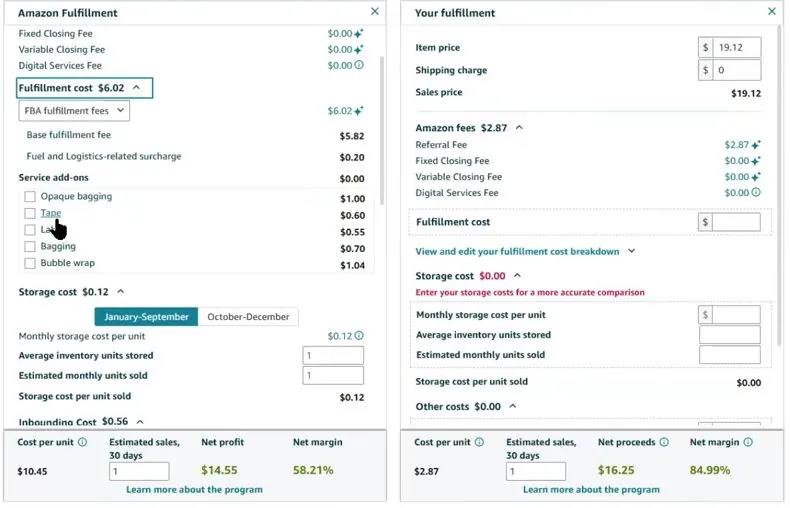
The monthly plan fee, the referral fee, Fulfillment by Amazon fees, storage, returns and ads for a US seller, added up on a $25 sale so you can redo the math yourself.
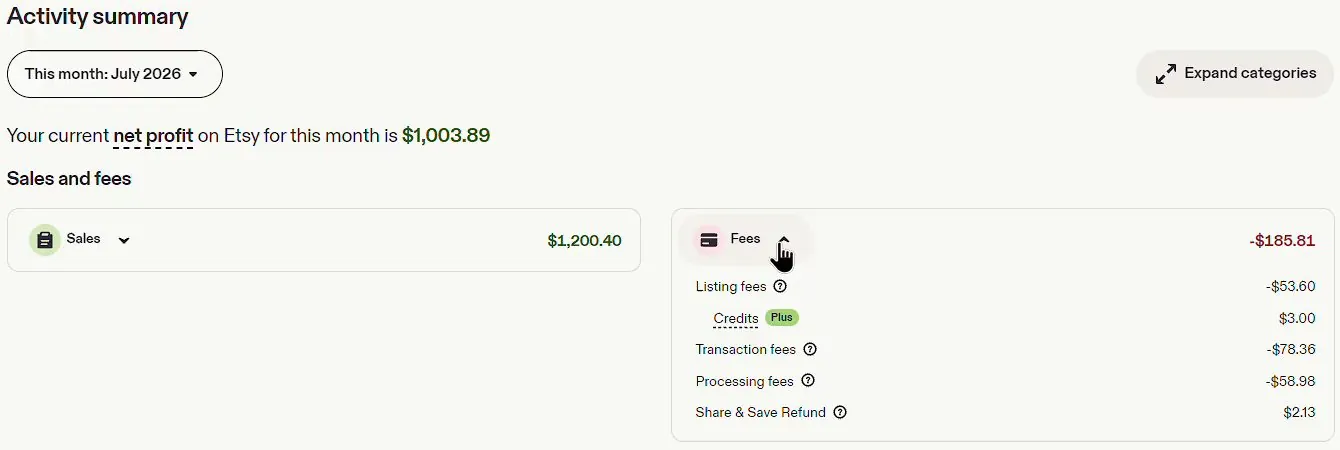
The listing fee, transaction fee, payment processing fee and Offsite Ads fee for a US seller, added up on a real-sized order so you can redo the math yourself.
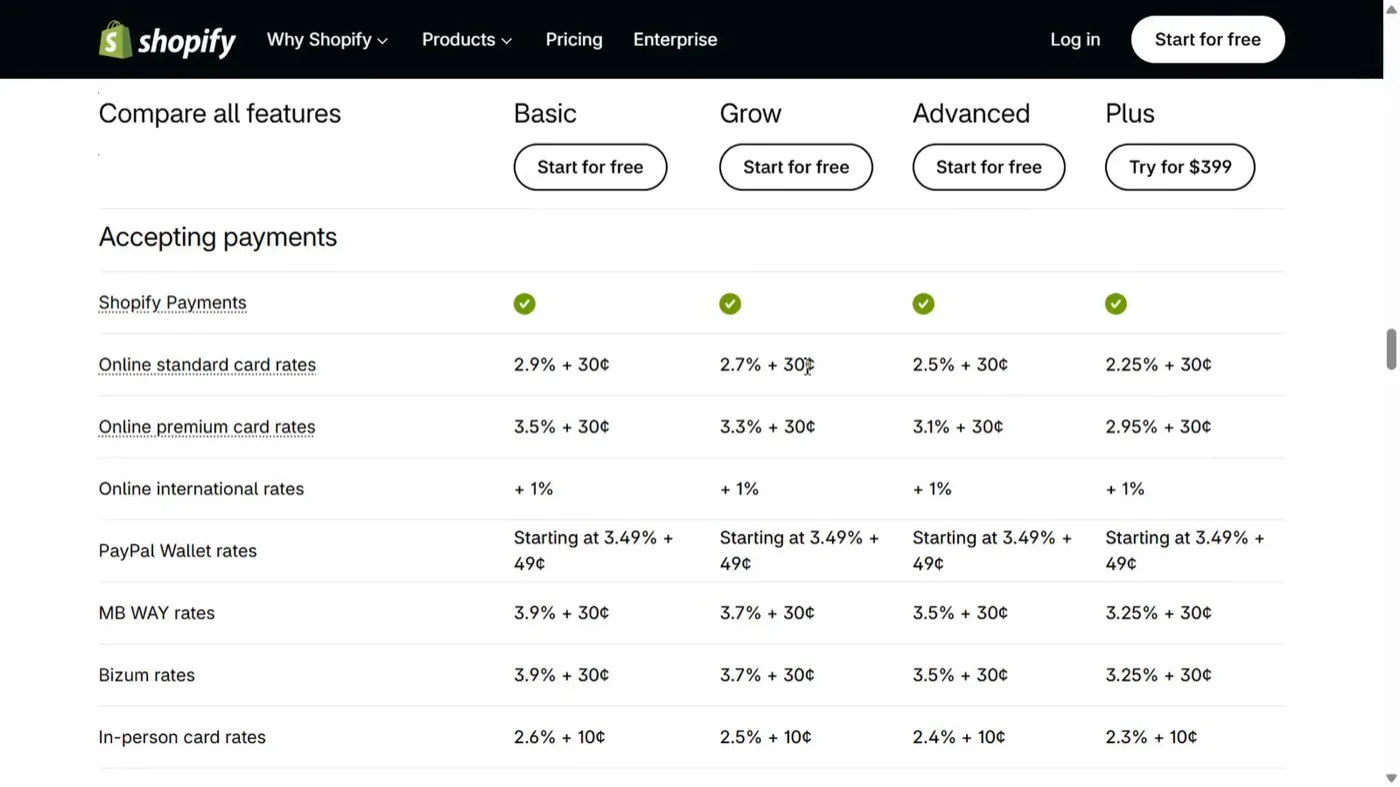
The real numbers for a US seller, with the math shown so you can swap in your own order size.
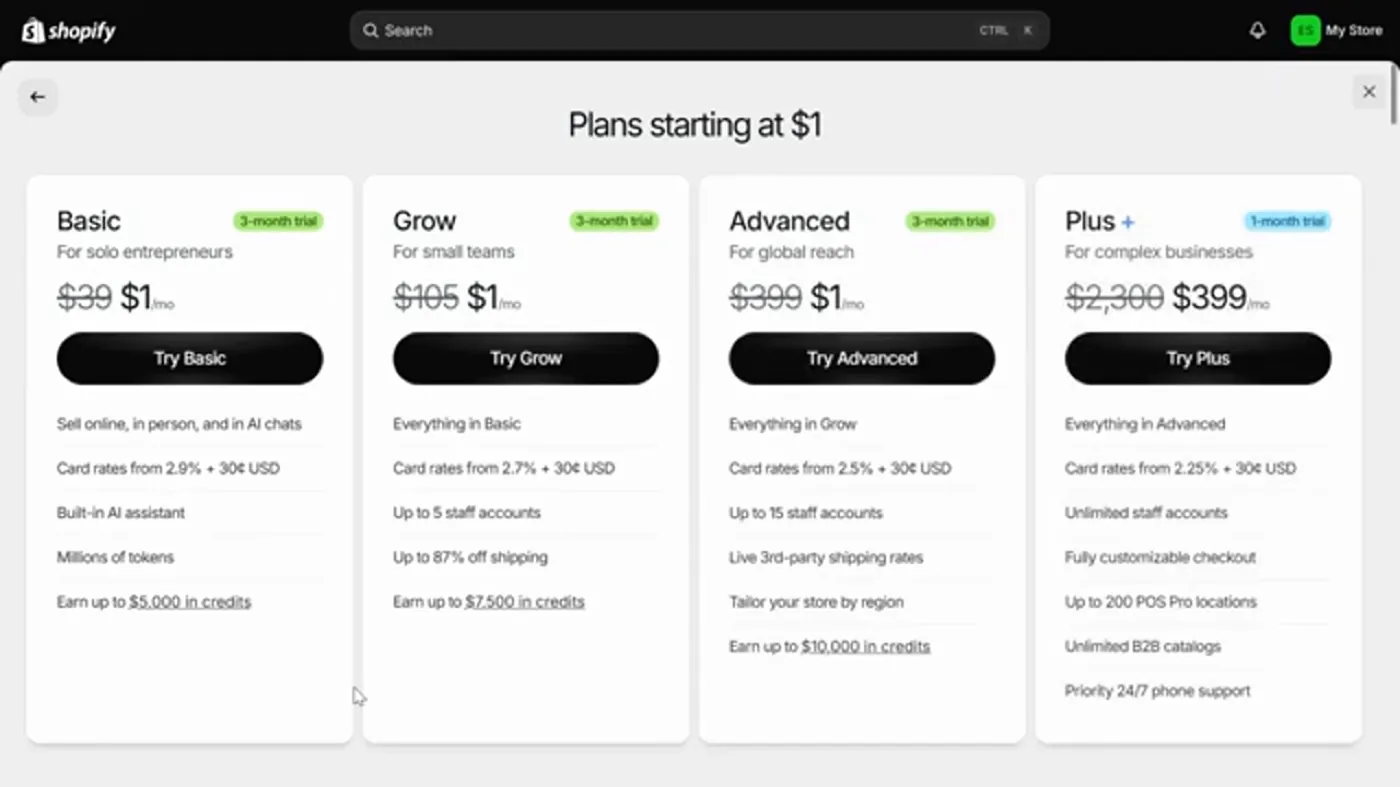
Three example budgets for a US store at $1,000, $3,000 and $5,000 a month in sales, with the math shown so you can redo the totals.
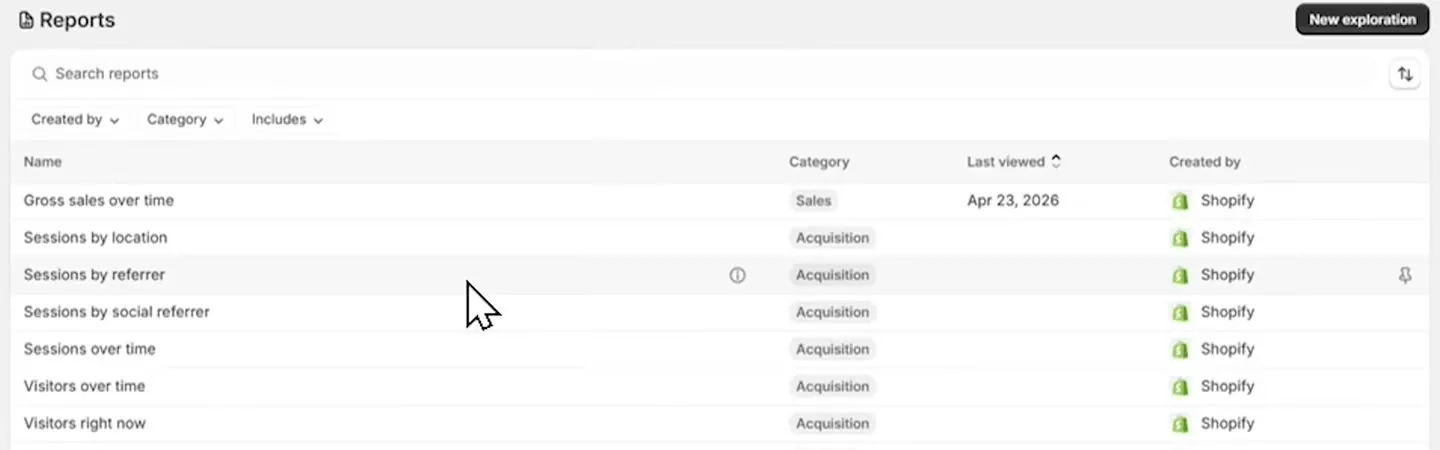
No one has measured how long a first Shopify sale takes. But you can check whether zero sales means your store is broken.
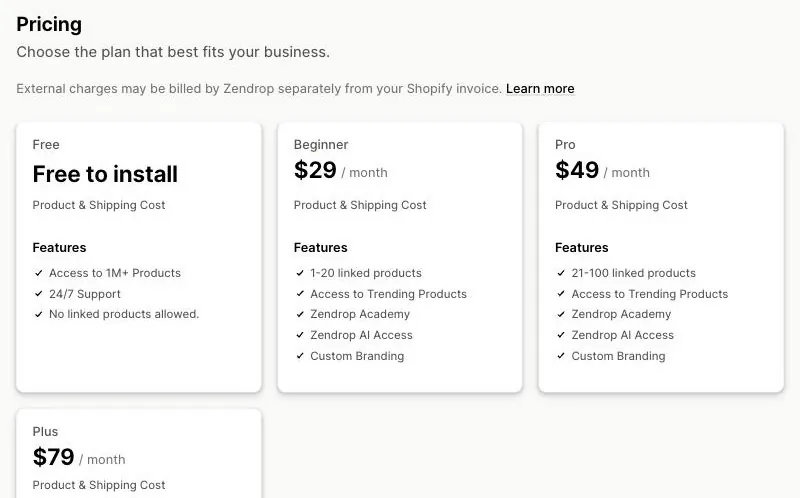
So dropshipping is cheap to try, but nobody can honestly promise you'll make money from it. Below I show you the math on one order, the real costs and the FTC's own checklist for courses.
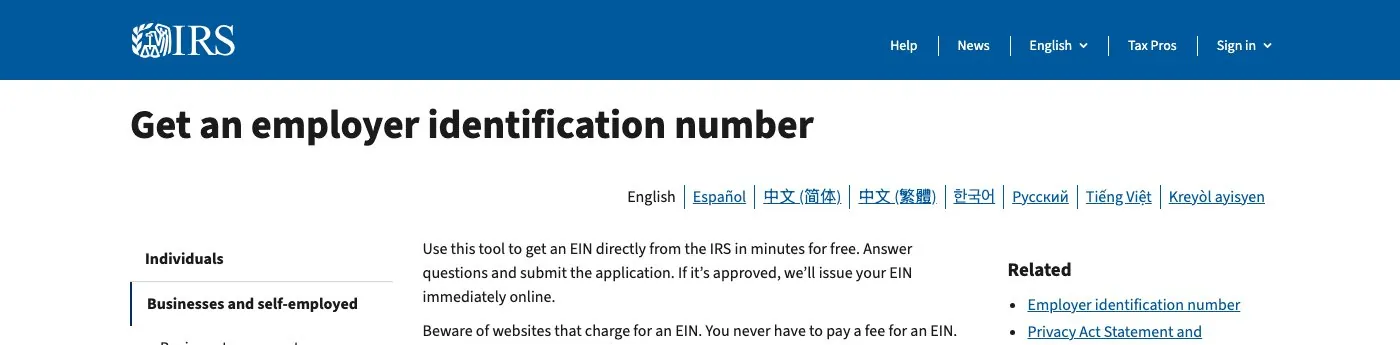
A plain answer from someone who doesn't sell LLC filing, with the government and Shopify pages behind each point.
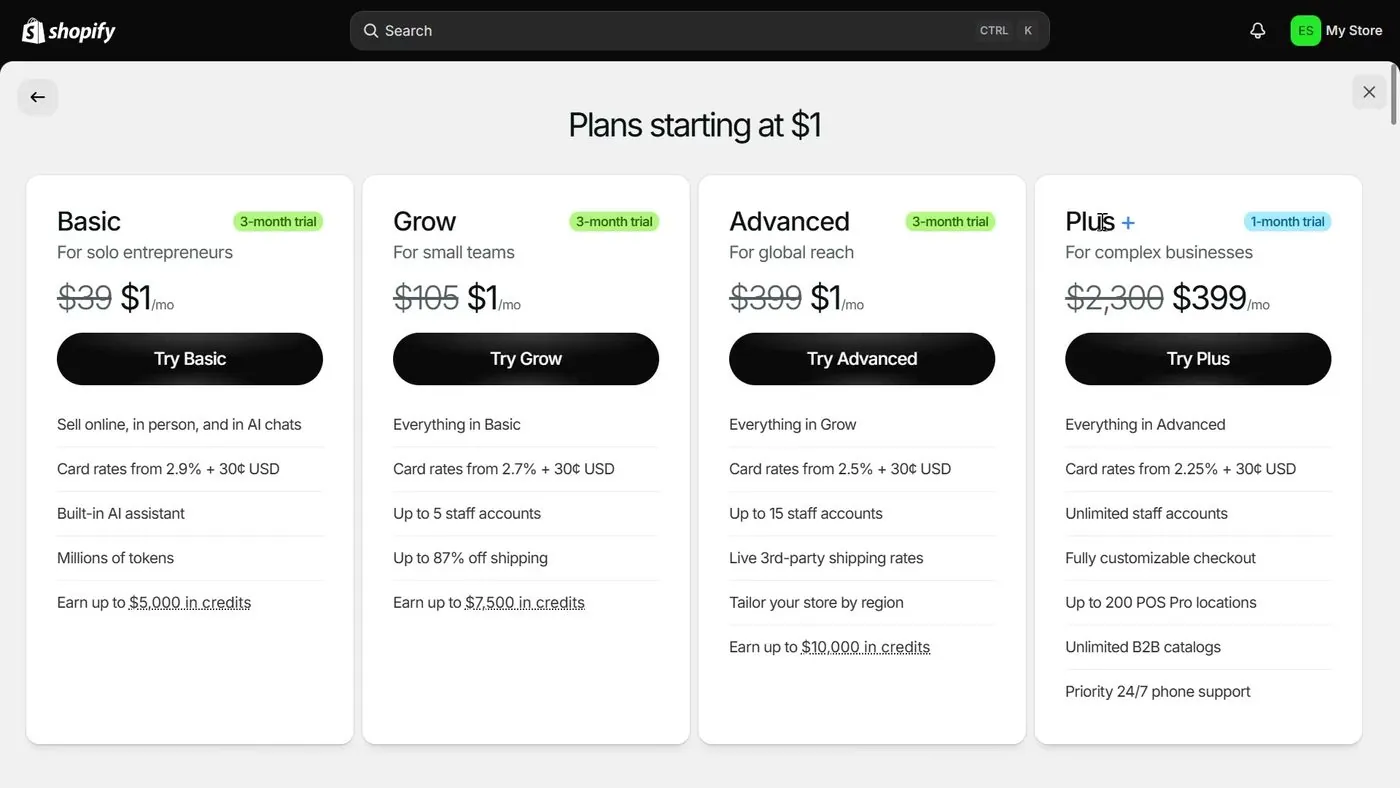
You can build a store for $0 and list things you never bought. You can't take a real order for $0. Here is the smallest real number, and what each way of selling without stock costs.
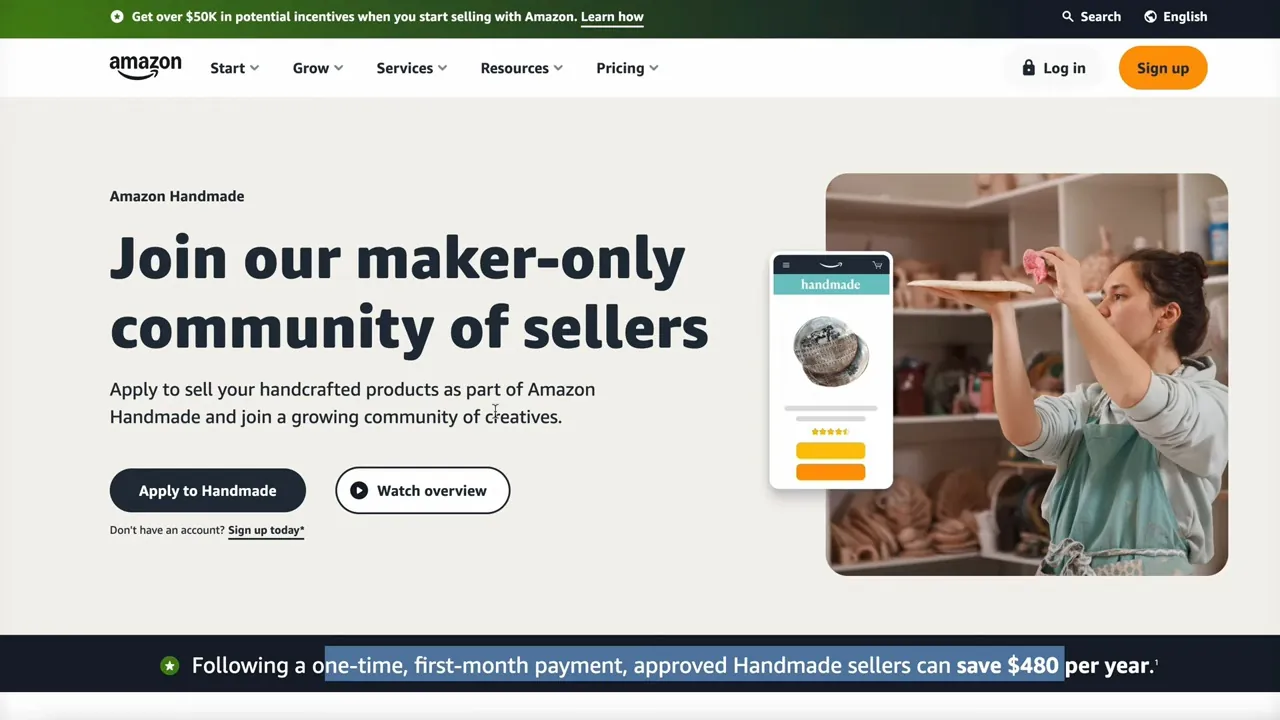
A straight answer for someone who makes things and has never sold online, with the same facts for both and the real sign-up screens.
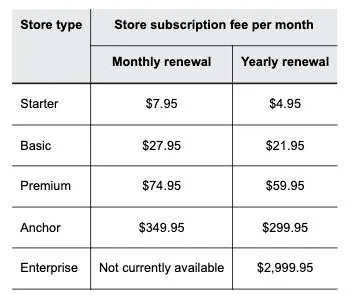
A straight answer by what you sell, with the same facts for both, the fee math written out, and when each one is the wrong choice.
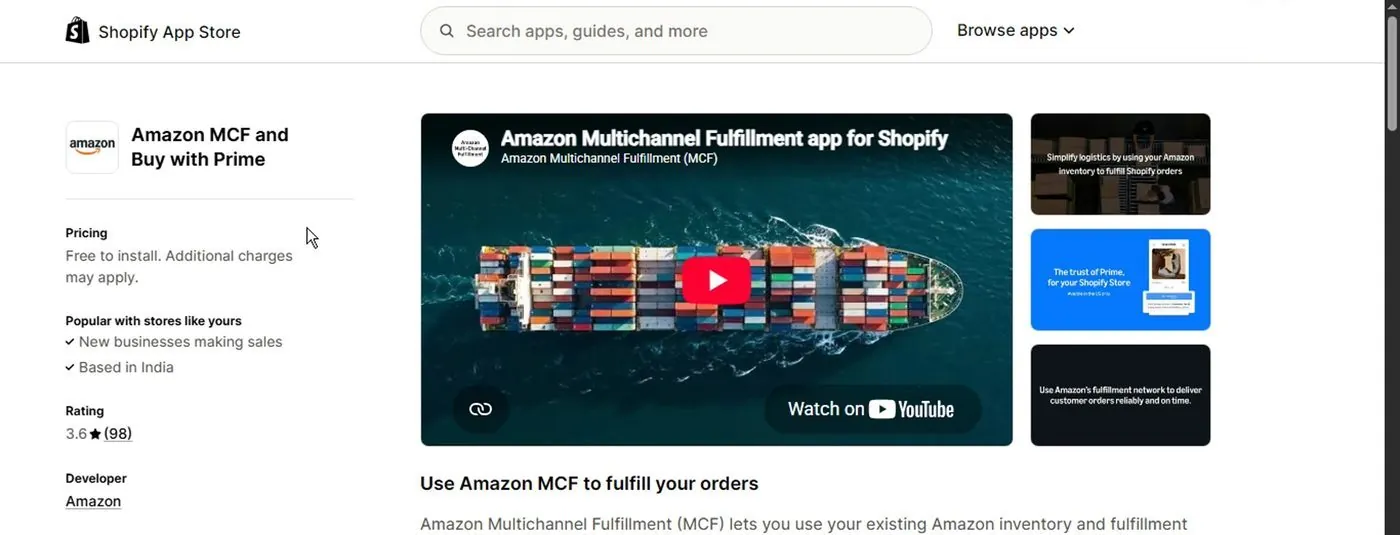
A straight answer for someone who has never sold online, with Amazon's real fees, Shopify's real fees and the real screens for linking the two.
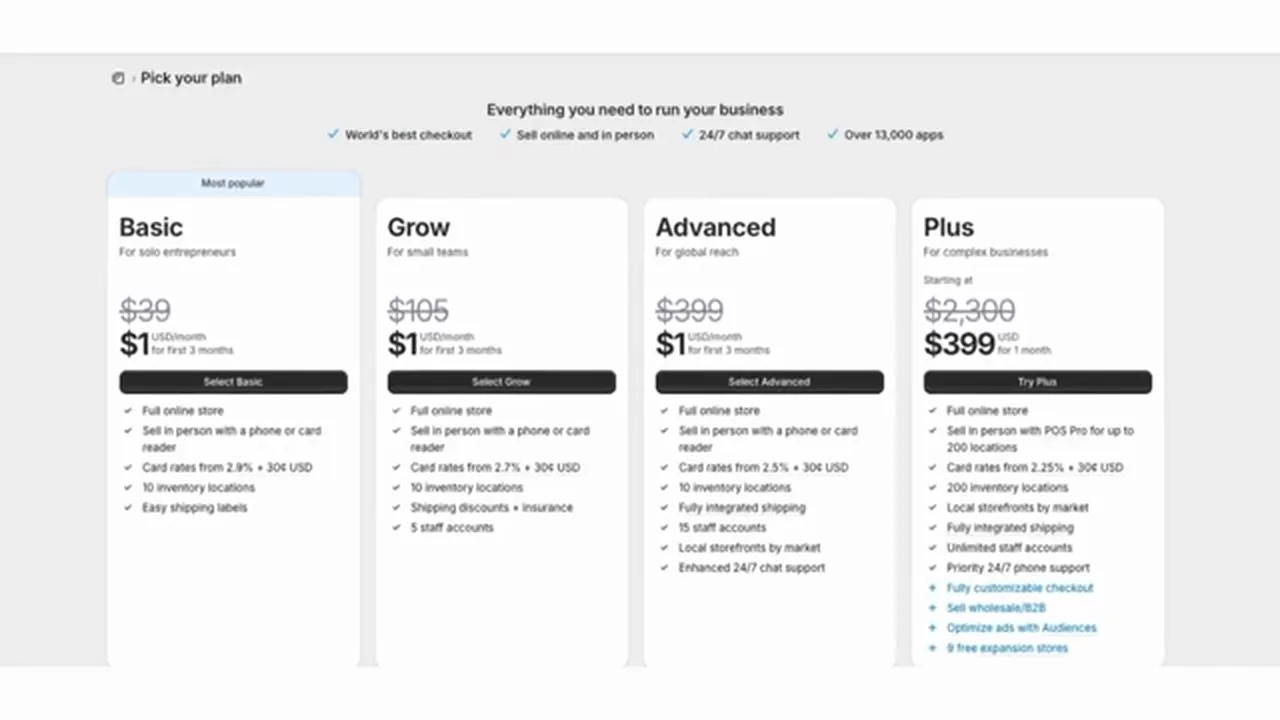
A straight answer for someone who has never sold online, with the real fees and the real sign-up screens.
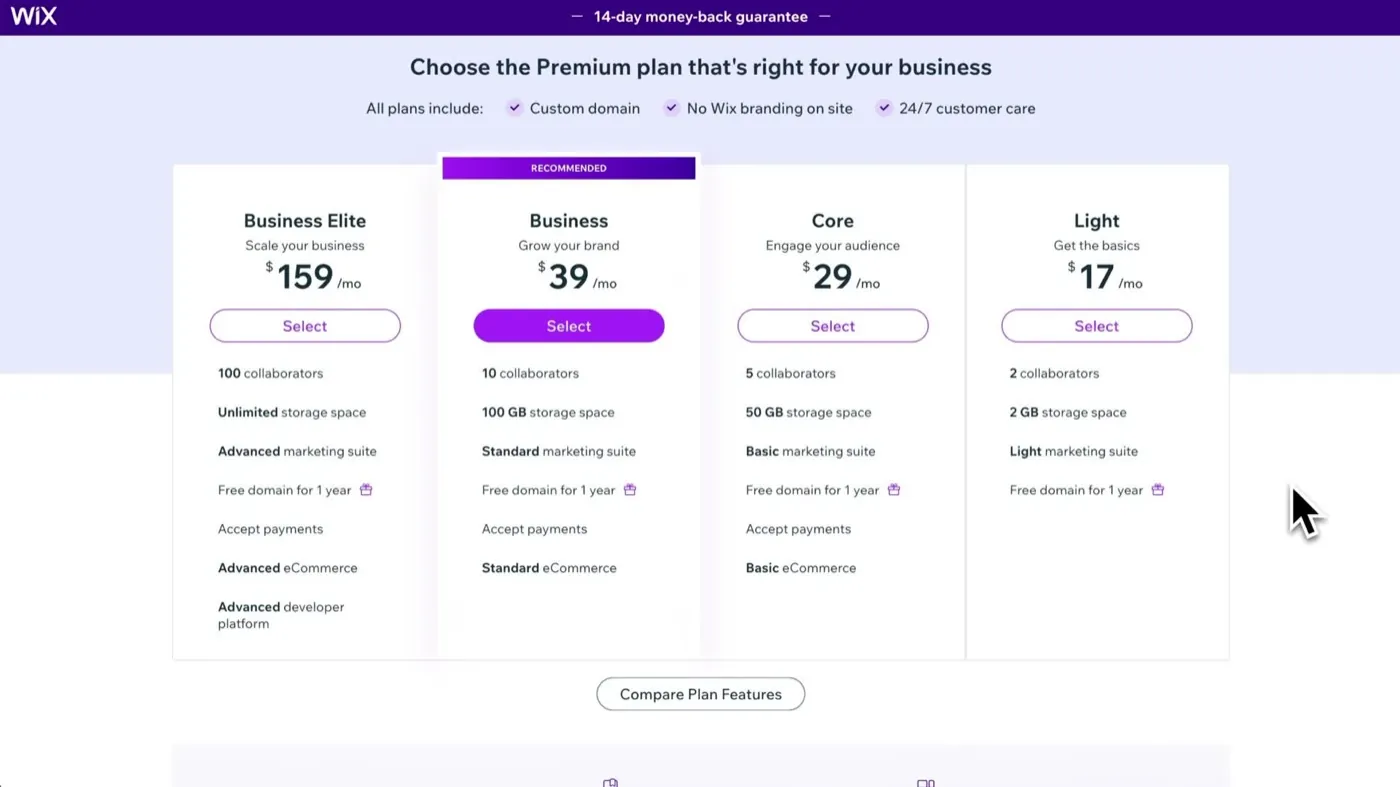
The cheapest plan that can take payments costs the same on both. What differs is what the site is built to do.
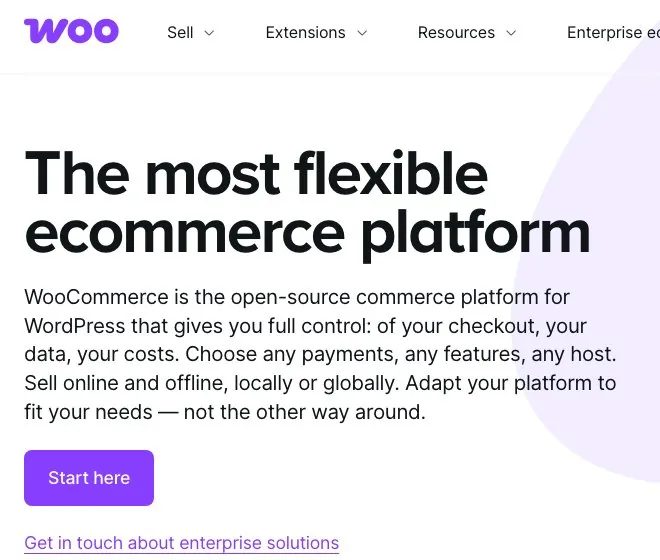
WooCommerce's software costs $0. A store built on it still has a monthly bill, and it comes with more work.

